Chewy Maple Brown Sugar Cookies with Maple Glaze
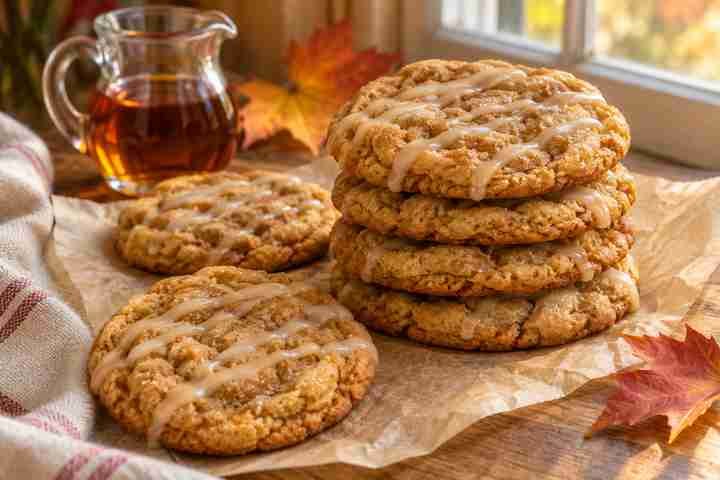
These maple brown sugar cookies have a chewy middle, a lightly crisp edge and a thin maple glaze. Pure maple syrup goes into the dough and the drizzle. Brown sugar brings caramel flavor without competing with the maple. The cookies are plain enough for an afternoon cup of tea and sturdy enough to share on a holiday tray once the glaze sets.
Ingredients
Use two light-colored baking sheets. The weights below are the clearest guide when measuring flour, produce or butter.
- 240 g all-purpose flour (2 cups)
- 8 g cornstarch (1 tablespoon)
- 3 g baking soda (½ teaspoon)
- 3 g fine salt (½ teaspoon)
- 113 g unsalted butter (½ cup), softened
- 150 g dark brown sugar (¾ cup packed)
- 1 large egg (50 g without shell)
- 75 g pure maple syrup (about 3 tablespoons plus 2 teaspoons), divided: 60 g for dough and 15 g for glaze
- 85 g powdered sugar (¾ cup)
- 5 ml milk (1 teaspoon), plus drops only if needed
How to make maple brown sugar cookies
1. Make and chill the maple dough
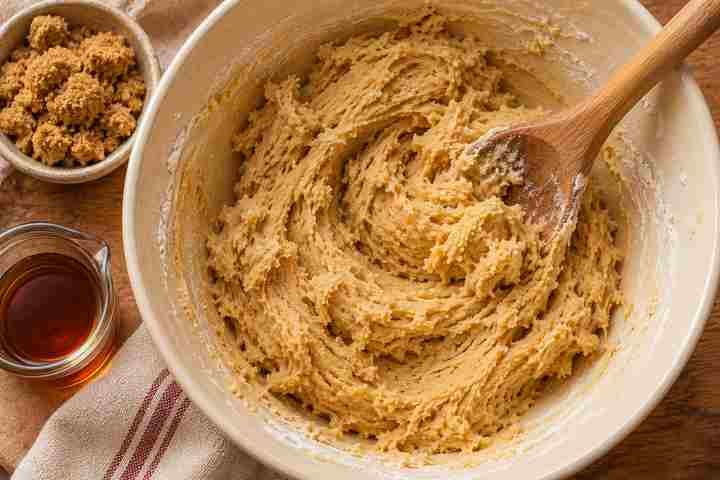
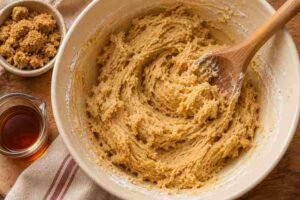
Whisk the flour, cornstarch, baking soda and salt. Beat the butter and brown sugar until creamy, about 2 minutes. Beat in the egg and 60 g maple syrup. Stir in the dry ingredients just until no flour remains. Cover and refrigerate for 45 minutes.
2. Portion and bake the cookies
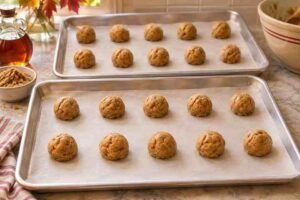
Heat the oven to 350°F (175°C) and line two baking sheets with parchment. Divide the dough into 20 balls of about 31 g each. Space them 2 inches (5 cm) apart. Bake one sheet at a time for 10–11 minutes, until the edges are set and the middles still look soft but not wet. Chill the second sheet while the first bakes.
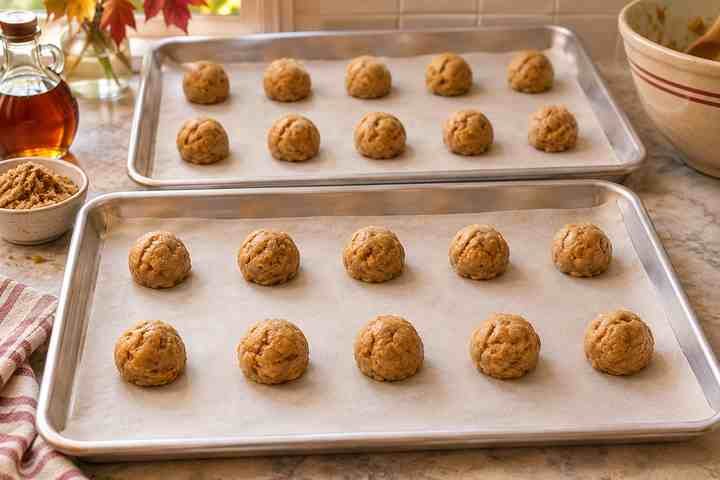
3. Cool the cookies and drizzle the glaze
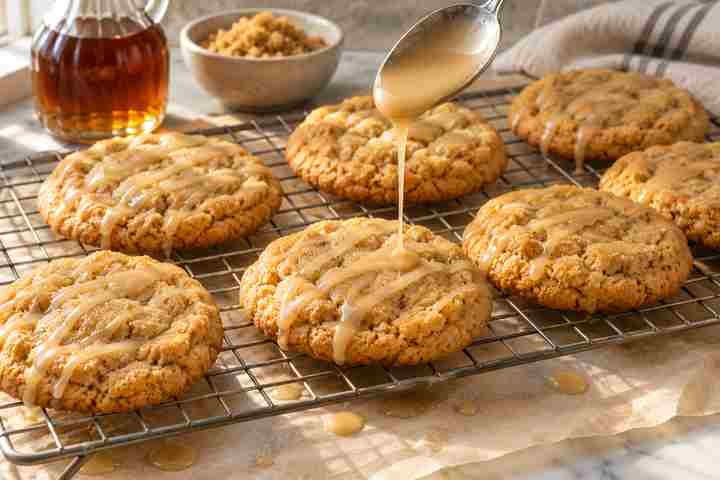
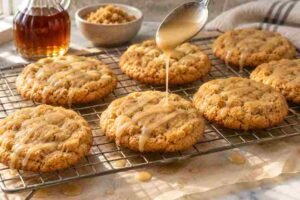
Cool for 5 minutes on the sheet, then transfer to a rack and cool completely. Whisk the powdered sugar, remaining 15 g maple syrup and 5 ml milk. Add milk a few drops at a time only if needed for a thick drizzle. Drizzle thin lines over the cookies and let the glaze set before stacking.
Ingredients that make the maple come through
Use pure maple syrup rather than pancake syrup. The syrup contributes both flavor and liquid, so a dry maple sugar or a spoonful of maple flavoring cannot replace it by weight. If you can choose between jars, dark or very dark maple syrup stands out against the brown sugar. Amber syrup still works; it gives a milder finish. Keep the syrup you use for the dough separate from the amount for the glaze so the portions stay accurate.
Dark brown sugar gives the dough a deeper flavor and a little extra color. Light brown sugar is an equal-weight swap. Both leave the center softer than an all-white-sugar dough. The small amount of cornstarch helps soften the texture; don’t replace the flour with starch. Weigh the flour, especially if you tend to dip the cup directly into the bag. A heavily packed cup can turn a chewy cookie into a dry mound.
What properly softened butter feels like
The butter should hold its shape but take a shallow finger impression. If it looks glossy or leaves liquid on the wrapper, it’s too warm. Cool it briefly before starting. When you beat the butter and brown sugar, aim for an even, creamy paste with no large butter streaks. You don’t need to beat until it looks like whipped frosting.
If the mixture looks slightly split after you add the egg and maple syrup, scrape the bowl well. Small flecks can disappear when you add the flour. Stop mixing as soon as the dry streaks vanish. Scrape all the way down to the bowl’s base; a patch of flour left there can end up concentrated in the last two cookies.
How to control spread
Chilled dough makes it easier to roll portions that bake at about the same rate. Weighing the dough balls also helps you avoid a tray with both dry small cookies and underdone large ones. Use cool baking sheets. If you’re working with a single sheet, let it cool fully before adding the next batch. A warm pan starts melting the butter before the dough reaches the oven.
A finished cookie can look pale in the center. Wait for the outer ring to set, and check that there is no glossy wet dough on top. The center firms on the sheet, so give it the full rest before transferring. If one batch spreads too far, chill the remaining balls longer and double-check your flour weight and oven temperature. If they barely spread, gently press the remaining chilled balls into thick disks before baking.
Glazing, serving and storing
Keep the cookies on a wire rack with a piece of parchment underneath before drizzling. A spoon makes fine lines if the glaze falls in a ribbon that holds its shape for a moment. If it runs off the cookie, whisk in a little more powdered sugar. If it breaks into short clumps, add milk drop by drop. Glazing a warm cookie usually leads to a transparent puddle rather than visible lines.
Once the glaze feels dry to a gentle touch, pack the cookies between parchment in an airtight container. Keep them in a cool room and use within 2 days for best texture, or refrigerate and bring to room temperature before serving. Freeze unglazed cookies for up to 2 months for best quality; thaw in the container and glaze after thawing. For a cookie plate, set them next to crisp cookies or a chocolate sweet so each has a different texture.
FAQs
Can I make maple brown sugar cookie dough ahead? Yes. Refrigerate covered dough overnight or freeze the portioned balls. For predictable spread, thaw frozen portions overnight in the refrigerator before baking.
Can I leave off the maple glaze? Yes. The cookies still contain maple syrup. The maple flavor will be quieter and the nutrition estimate, which includes the glaze, will be a little higher than the unglazed cookie.
How do I keep the glaze from sticking in a cookie tin? Let it dry completely, use parchment between layers and avoid stacking the cookies under heavy pieces. Humidity slows drying, so allow extra room on the rack before packing.
Make a holiday cookie box
Pack the maple cookies with a contrasting crisp cookie and one chocolate option. Use a shallow box with parchment dividers so the glaze does not rub against chocolate or powdered sugar. If you are mailing the box, keep the cookies snug enough that they cannot slide into each other. If you are carrying them to a party, bring a few extras in a separate container so you can refill the plate without crowding it.
More from Platewiser
Conclusion
These chewy maple brown sugar cookies with maple glaze are easy to portion in advance. Keep the dough cold, pull the tray once the edges set and give the glaze time to dry. That way the cookies keep their soft centers and the drizzle stays where you put it.
Follow Platewiser on Pinterest for more recipes.
Maple Brown Sugar Cookies with Maple Glaze
Ingredients
Method
- Whisk the flour, cornstarch, baking soda and salt. Beat the butter and brown sugar until creamy, about 2 minutes. Beat in the egg and 60 g maple syrup. Stir in the dry ingredients just until no flour remains. Cover and refrigerate for 45 minutes.

- Heat the oven to 350°F (175°C) and line two light-colored baking sheets with parchment. Divide the dough into 20 balls of about 31 g each. Space them 2 inches (5 cm) apart. Bake one sheet at a time for 10–11 minutes, until the edges are set and the middles still look soft but not wet. Keep the second sheet chilled while the first bakes.
- Cool for 5 minutes on the sheet, then transfer to a rack and cool completely. Whisk the powdered sugar, remaining 15 g maple syrup and 5 ml milk. Add milk a few drops at a time only if needed for a thick drizzle. Drizzle over the cookies and let the glaze set before stacking.
Notes
Get fresh recipes in your inbox
Subscribe to PlateWiser for easy dinners, small-batch treats, and coffee recipes.
Confirm your email to join. Unsubscribe anytime.